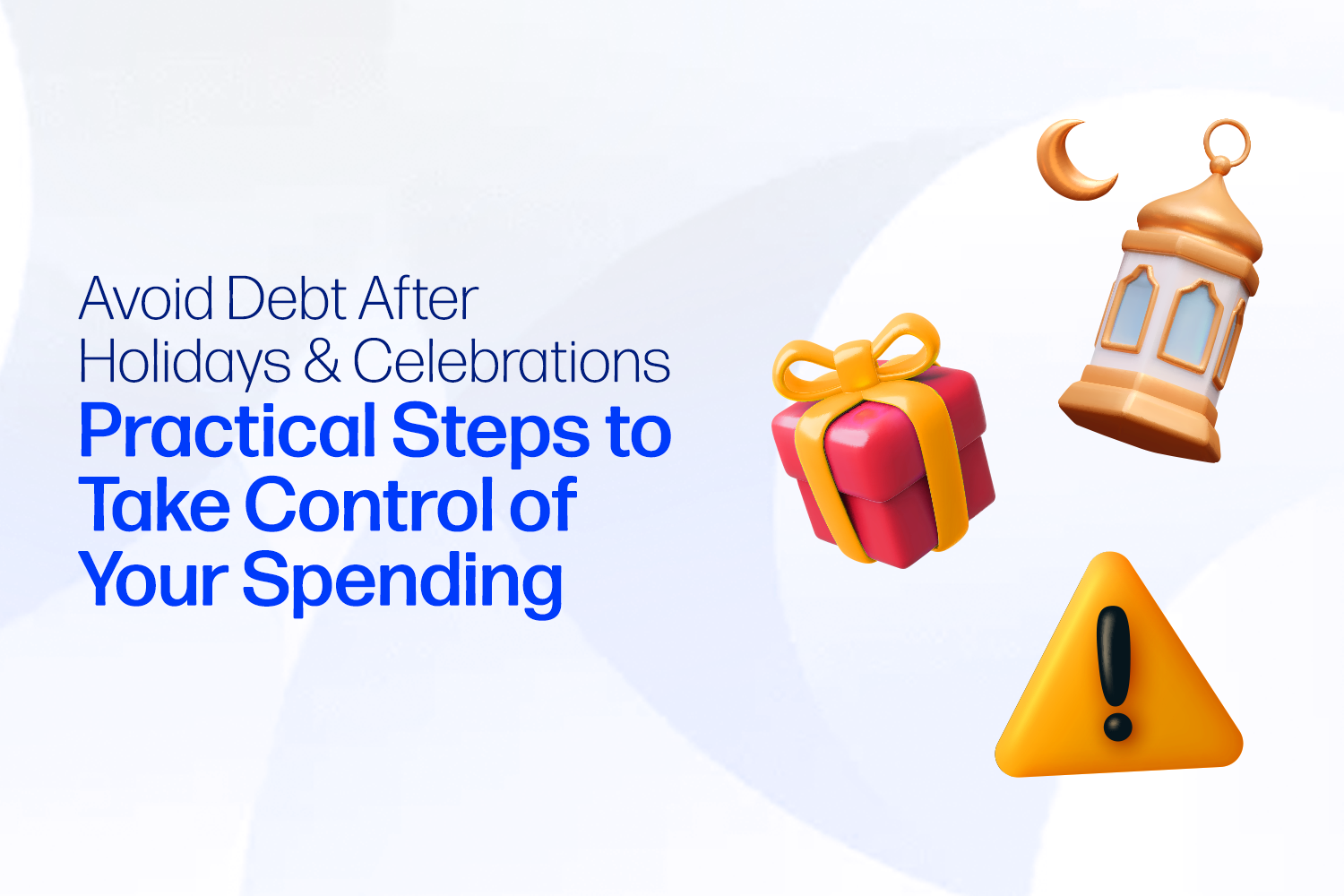
Eid is one of the most joyful times of the year. It’s a special occasion to gather with family and friends, enjoy festive traditions, and celebrate together. However, for many households in Egypt, Eid expenses can quickly turn into financial stress when there isn’t a clear spending plan.
Between Eid kahk and biscuits, Eidiya for children, family trips, new Eid clothes Eid gifts for children, family trips, new Eid clothes, and presents, spending adds up quickly gifts, spending adds up fast. Many people end up surprised at how much they’ve spent because their Eid budget spiraled out of control.
That’s why planning your Eid budget has become essential for anyone who wants to enjoy the holiday without feeling financial pressure afterward. When you understand your expected expenses and set priorities before shopping, you can balance celebrating Eid and maintaining financial stability.
If you’re looking for practical ways to manage Eid expenses or wondering how to save money for Eid without sacrificing the celebration, this guide will walk you through simple and effective steps to manage your finances smarter.
Why Do Eid Expenses Get Out of Control?
In Egypt, Eid is closely tied to social traditions that naturally involve spending, such as:
- Purchasing new Eid clothes.
- Preparing Eidiya for children.
- Visiting family and bringing gifts.
- Spending on outings and gatherings during Eid
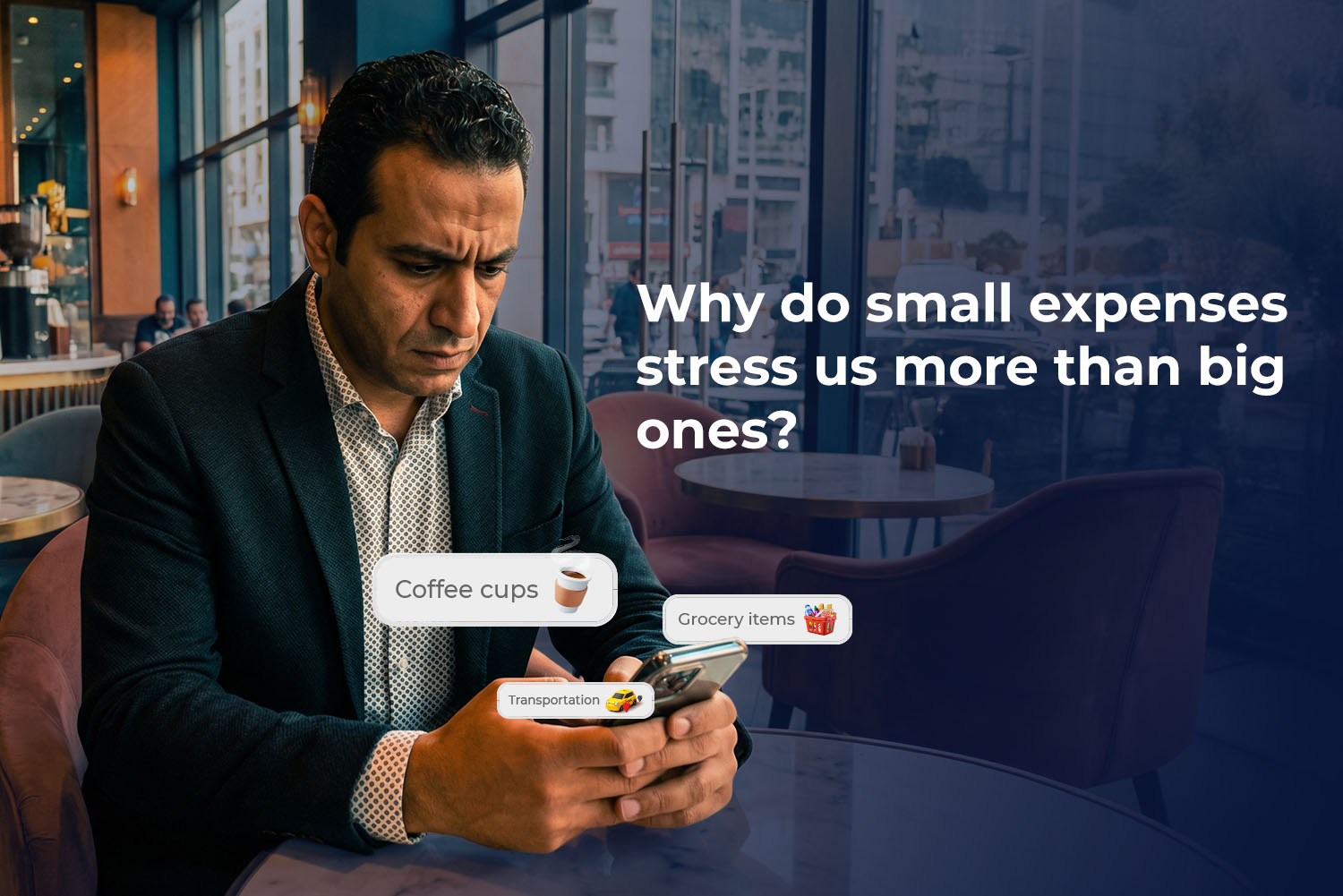
The challenge isn’t these traditions themselves. The problem is that many people start spending without a clear Eid spending plan. Each purchase may seem small on its own. But when all these expenses add up, you may realize that you’ve spent much more than your planned Eid budget.
That’s why the first step to managing Eid expenses effectively is becoming aware of where your money is going before you begin shopping.
Organizing Your Eid Expenses the Smart Way
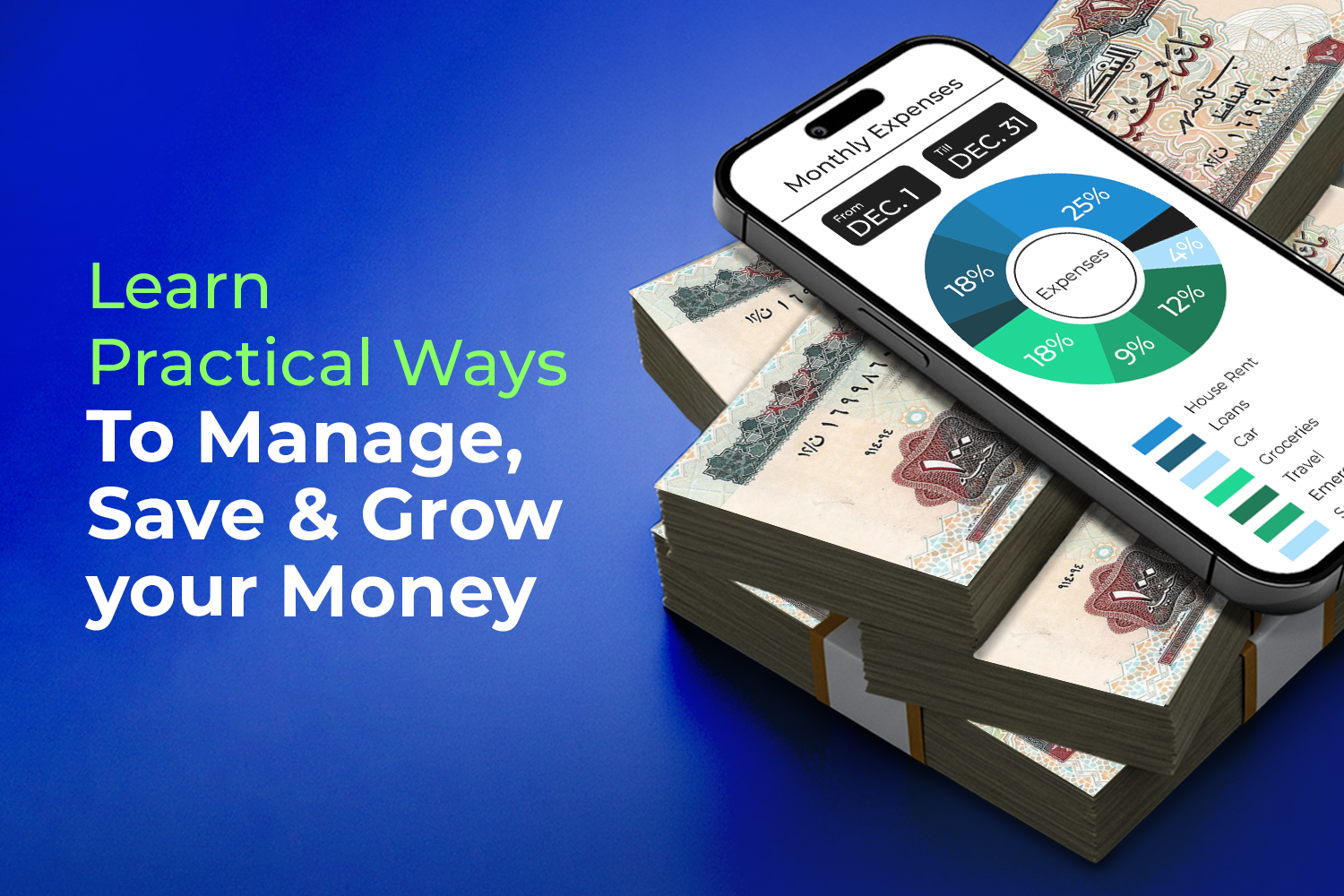
One of the simplest ways to control your Eid budget is to track your spending clearly. You don’t need complicated financial apps; simply listing your main expense categories can give you a clearer picture of where your money is going.
Another important step in managing Eid expenses is being aware of the costs that happen during the Eid days themselves, not just the spending before the holiday. In many cases, the largest portion of Eid spending actually comes from activities during Eid, such as:
- Eid clothes and shopping.
- Outings and entertainment.
- Travel and family visits.
- Small gifts are exchanged with family and friends
These expenses often happen naturally because Eid is a time for gatherings, celebrations, and going out. However, without setting an estimated budget for these activities, Eid expenses can easily exceed what you originally planned. A simple approach to managing Eid costs is to plan ahead. For example:
- Set a rough budget for Eid outings and activities during the holiday.
- Plan family visits in advance instead of last-minute invitations.
- Decide on a clear budget for Eid clothes before you start shopping.
The goal isn’t to limit the joy of Eid or avoid gatherings. Instead, it’s about enjoying the celebrations while keeping your Eid budget under control, so you don’t feel financial pressure once the holiday is over.
Smart Spending Habits That Help Control Eid Costs
If you want to celebrate Eid without financial pressure afterward, a few simple habits can make a big difference in managing your Eid budget:
1. Set a clear budget for each expense
Before shopping, list your main spending categories and assign an estimated amount for each one.
2. Start shopping early
Prices often increase as Eid approaches, especially for Eid clothes and kahk.