To start saving from your salary: set a monthly budget, apply the 50-30-20 rule, make saving the first payment you make, not the last, set a clear goal, and use a structured tool like a Money Fellows circle to stay committed every month.
If you've been wondering how to start saving from your salary, you're not alone. Most people try to save but fall into the same trap. In this guide, you'll find 7 practical steps you can start implementing this month, without needing a large salary or extraordinary willpower.
For a full breakdown of different savings types and why they matter, read this article: Savings: Your Key to a Stable Financial Life
Why Most People Save Wrong
The biggest saving mistake isn't a low income; it's the wrong order. Most people cover their expenses first, and if anything's left over, they set it aside. The problem is that the word 'if’, because there usually isn't anything left.
Saving correctly flips that equation: you make saving the first item in your budget, and then you live on what remains. The difference isn't in the numbers; it's in the mindset.
The second problem is that saving without a goal remains as a number in an account with no meaning. A digital circle solves both problems at once; it deducts your contribution automatically and ties it to a clear goal with a defined payout date.
7 Practical Steps to Start Saving From Your Salary Right Now
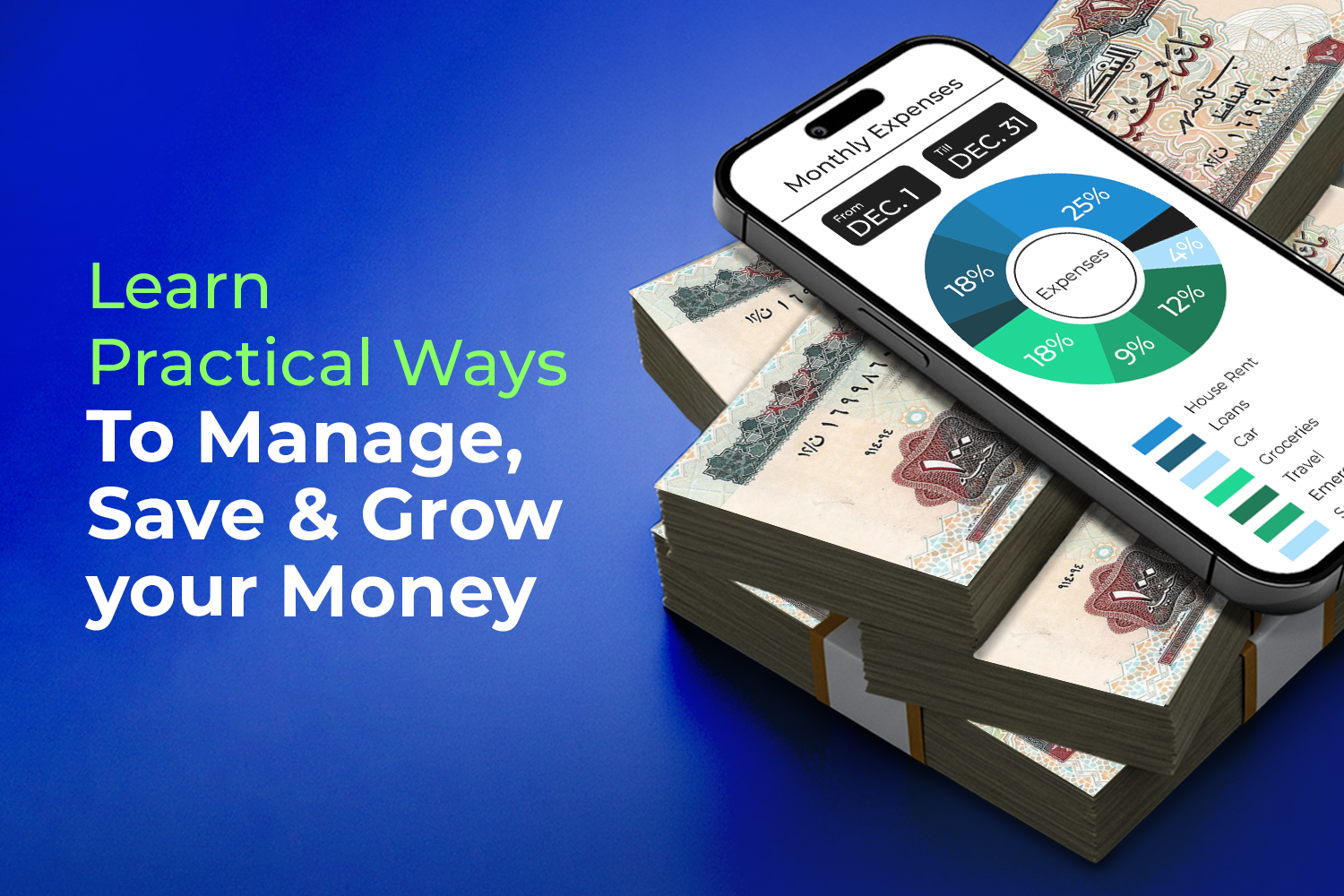
Step 1: Create a simple monthly budget. Write down your fixed monthly income, then list your fixed expenses (rent, bills, transport) and variable expenses (food, entertainment, clothing). The goal isn't perfection, it's knowing where your money is going.
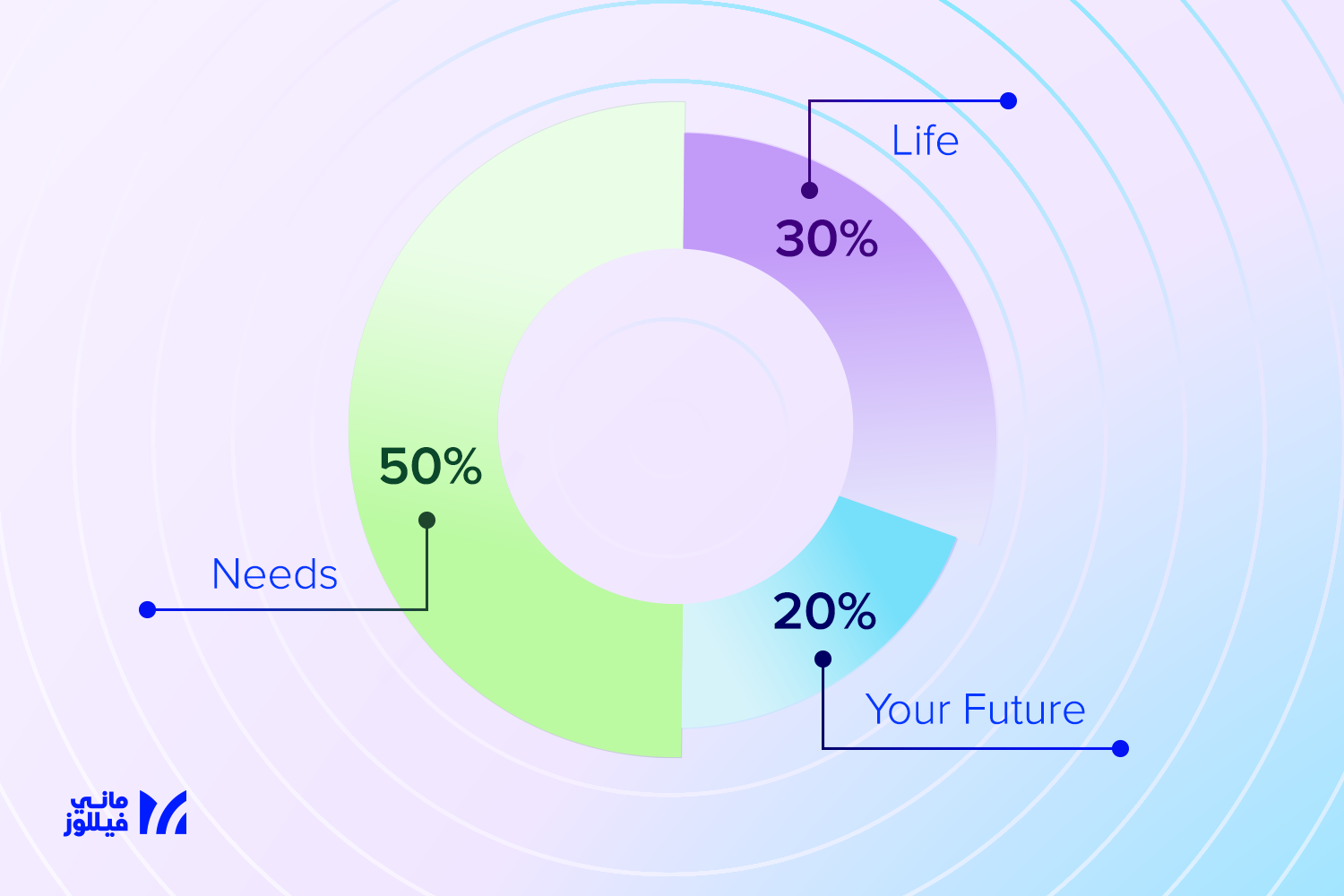
Step 2: Apply the 50-30-20 rule to your salary. 50% for essential needs, 30% for personal spending and entertainment, 20% for savings. If your salary is tight, start at 10% and increase gradually; consistency matters more than the percentage.
Step 3: Pay yourself first. On the day you get paid, transfer your savings amount immediately before any other expenses. Don't leave it for the end, what gets spent, gets spent.
Step 4: Set a clear goal. Saving without a goal evaporates. Define what you're saving for: a wedding, a car, a trip, an emergency fund. When you know why you're saving, commitment becomes significantly easier.
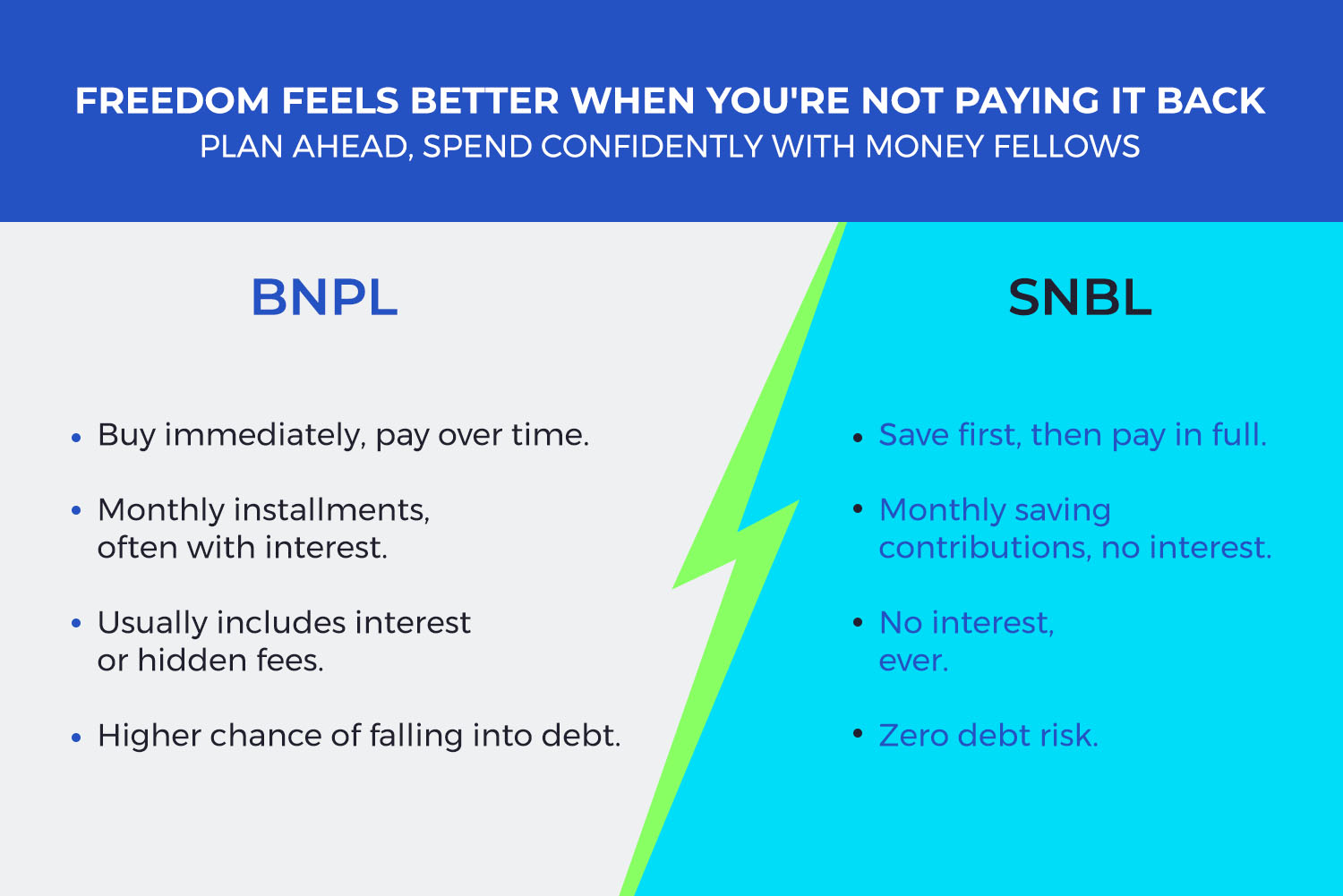
Step 5: Use a tool that keeps you committed. A Money Fellows digital circle deducts your monthly contribution automatically and ties it to a specific goal and payout date, keeping you on track even when motivation dips.
Step 6: Review your budget every month. At the end of each month, look at where you overspent and where you fell short. The goal isn't self-criticism; it's understanding your habits well enough to improve them.
Step 7: Start small and increase gradually. You don't need to start at 20% from day one. Start with 200 EGP a month if that's what you can manage and add 50 EGP each month. After a year, the difference will be significant without ever feeling the strain.